


Real-time testing
A check of the body’s functional state at the moment of the exam.

Non-invasive screening that gives a clinician something to act on in minutes.
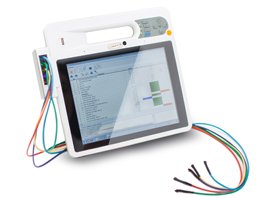
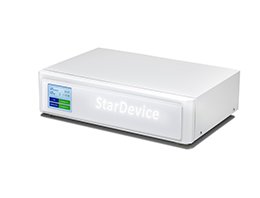
DeepScan is an automatic express screening analyzer. Five sensors on the skin, a short session, and a report covering hemodynamic, biochemical, and immunological parameters — without blood sampling or irradiation.
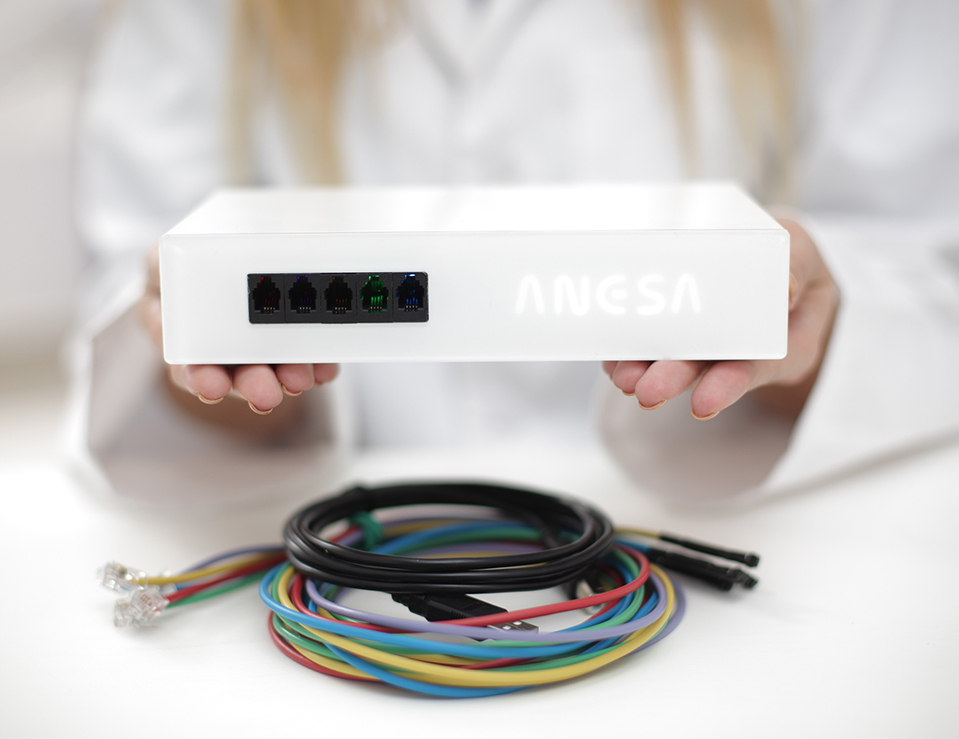
Built for hospitals, clinics, sport and wellness centres, and private practice. DeepScan lets medical teams monitor patients regularly, flag signs of pathology, and keep multifunctional screening inside an ordinary appointment.
A check of the body’s functional state at the moment of the exam.
One session covers hemodynamic, biochemical, and immunological indicators.
Stored records make it possible to compare results from visit to visit.
The report reflects both physiological readings and overall health status.
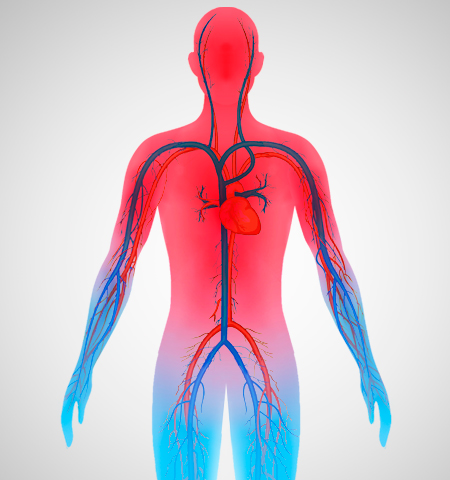
Deep-learning algorithms highlight risks in the cardiovascular system, gastrointestinal tract, urogenital system, and more.
Each patient has a record in the database and a detailed report after the exam.
Results can be stored securely and exported for further clinical review.
The analyzer studies how the autonomic nervous system adjusts to internal and external factors. Temperature at five body points, together with heart rate, respiratory rate, and the patient’s profile, is processed by the USPIH neural-network software.
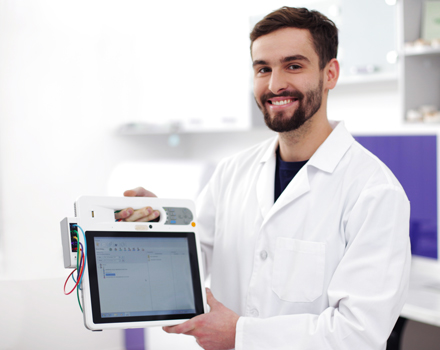
In USPIH software the clinician enters sex, age, weight, and measured heart and respiratory rates.
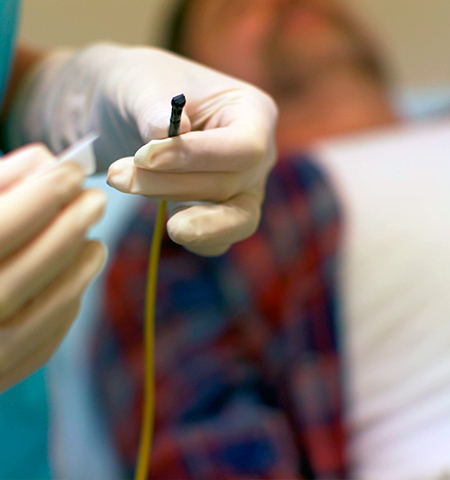
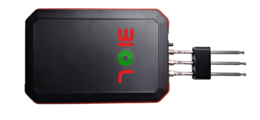
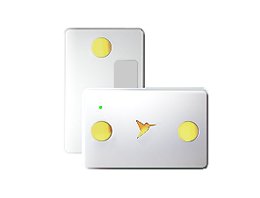
Five microprocessors are attached at designated points on the patient’s body.
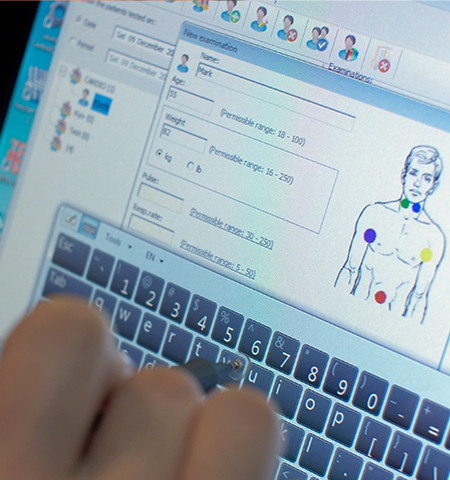
The examination interval is set and the device starts measuring.
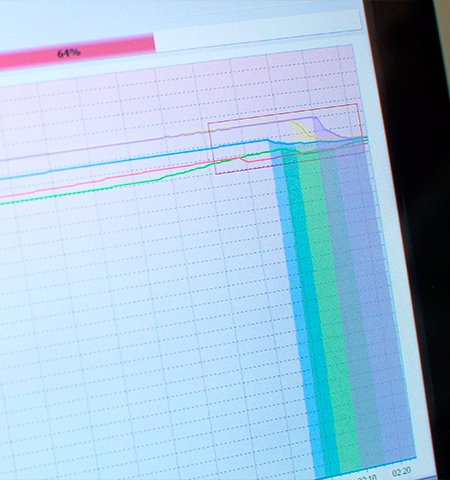
USPIH processes the sensor data together with the patient profile and produces the screening report.
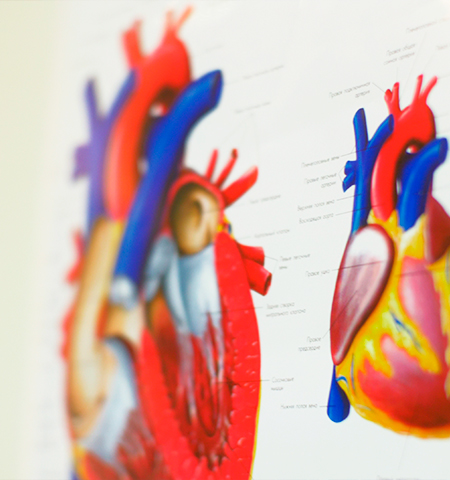
Results are saved, exported if needed, and used as a basis for clinical decisions or further tests.
General indicators
Erythrocytes, hemoglobin, hematocrit, platelets, leukocytes, lymphocytes, monocytes, glucose, total cholesterol, LDL, HDL, triglycerides, ALT, AST, and bilirubin.
Hemogram and coagulation
Full hemogram including MCH, MCV, MCHC, ESR, and differential; clotting times (Lee-White), fibrinogen, prothrombin index, and hematocrit.
Electrolytes and water
Calcium, magnesium, potassium, sodium, plus cellular, extracellular, and total body water.
Metabolism and liver
Carbohydrate, protein, and lipid metabolism; liver enzymes and bilirubin fractions; gastric functional parameters.
Hormones and enzymes
Selected hormone readings (including testosterone, total estrogen, and T4) and enzyme activity such as amylase, acetylcholinesterase, and creatine kinase fractions.
Internal blood flow
Distribution of blood flow to myocardium, muscle, brain, portal vein, kidney, skin, and other organs, plus cerebral hemodynamics.
Cardio-respiratory function
Pulmonary vascular resistance, circulation times, lung volumes and flows, energy expenditure, and related cardio-respiratory indices.
Oxygen, CO₂, and cardiovascular work
Oxygen transport and consumption, CO₂ elimination, stroke volume, ECG intervals, arterial pressure, and related cardiovascular parameters.
The procedure is painless and avoids the infection risks that come with venipuncture. It is safe for both patient and clinician.
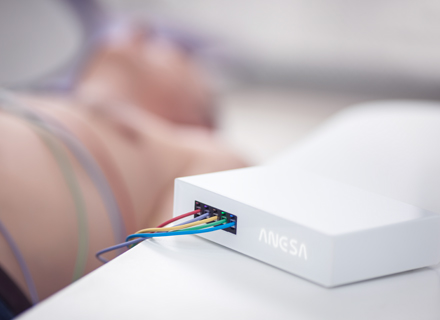
AI algorithms account for external and internal factors, reduce handling error, and calibrate results to each patient. Repeated clinical evaluations support reliability of the readings.
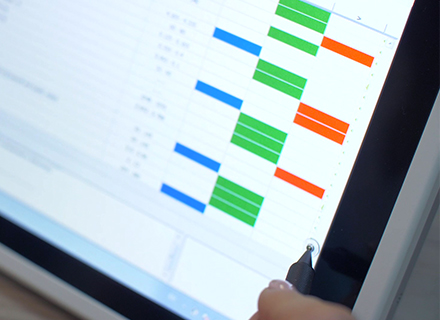
DeepScan does not need chemical reagents, sample containers, or other disposables. Software updates keep the analyzer current without extra laboratory overhead.
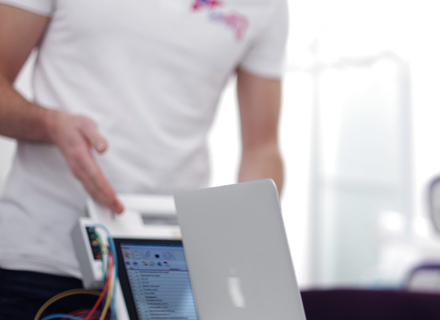
User manuals, training, and technical documentation are available on request through the form below.