


Bactericidal action
Plasma and NO are used to suppress pathogenic microorganisms and to support the local immune response, including phagocytosis by neutrophils and macrophages.

Cold plasma with nitric oxide for wound repair.
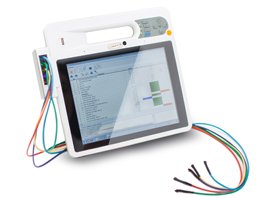
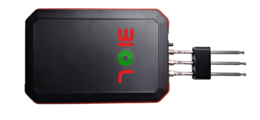
Red Ibis generates a stream of cold air plasma that contains nitric oxide (NO). The stream is used for coagulation and sterilisation of wound surfaces, and to stimulate repair in wounds, trophic ulcers, pressure sores, inflammatory processes, scars, and other lesions of skin, mucosa, and soft tissue.
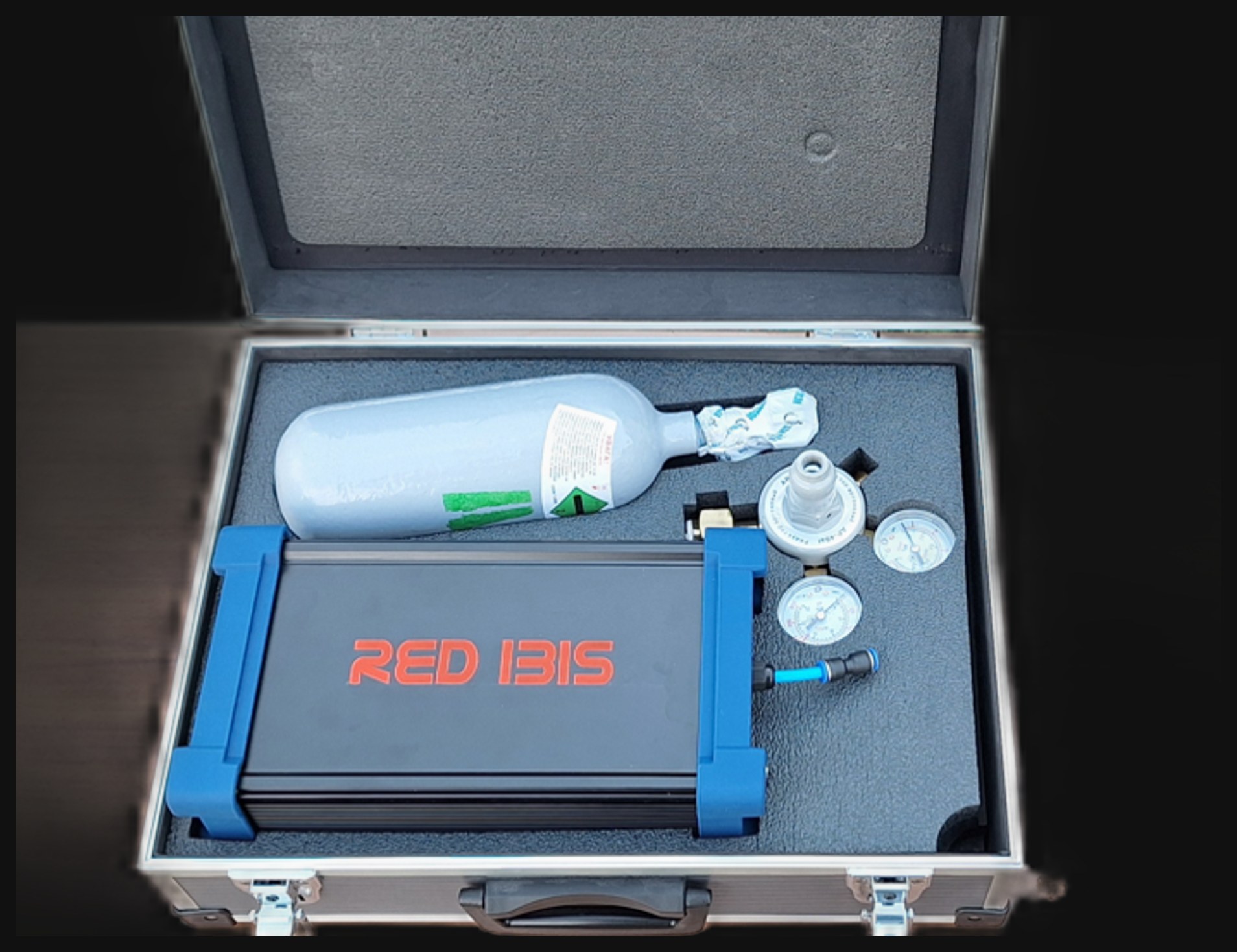
Built for clinics of every scale — from a city outpatient practice to hospitals and large medical centres. One device can be shared across departments. It is intended for local treatment of open wounds and ulcers, deeper wound pockets, and, where indicated, lesions of hollow organs. Exogenous NO can also diffuse through intact skin and mucosa.
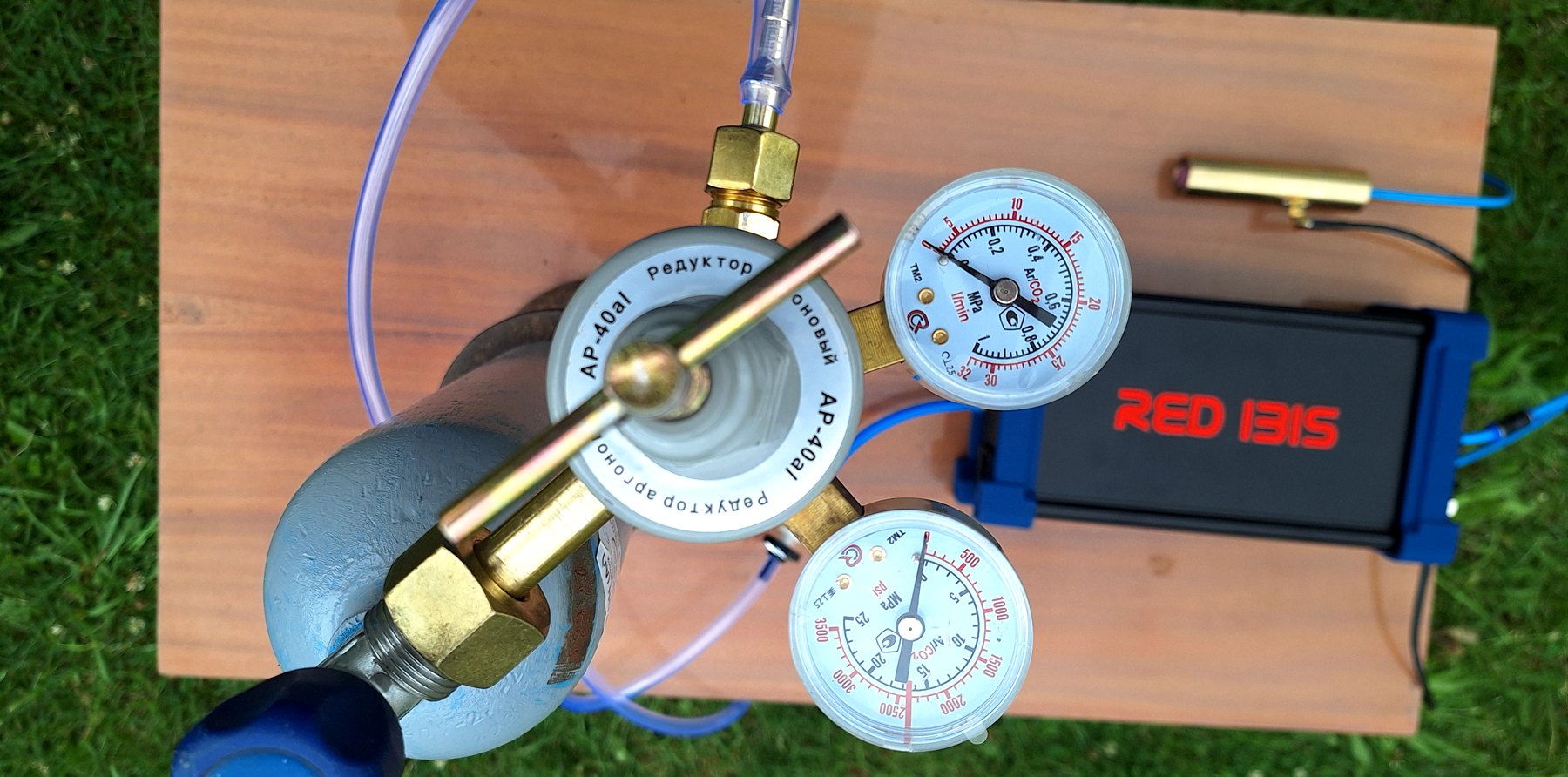
Plasma and NO are used to suppress pathogenic microorganisms and to support the local immune response, including phagocytosis by neutrophils and macrophages.
NO-related vasodilation, anti-aggregant and anticoagulant effects are used to support blood flow in the treated area.
Intended to support fibroblast proliferation, collagen synthesis, granulation, epithelial growth, and to help limit pathological scarring.
Nitric oxide takes part in synaptic transmission and in regulation of specific and non-specific immunity.
Treatment is applied to the pathological focus, which helps avoid the general effects associated with medicinal NO donors such as nitro-preparations.
Small size and reliability let one device be used across departments, from primary care to hospital wards.
Atmospheric air is turned into a cold plasma stream that carries nitric oxide. For gentle coagulation and NO-therapy the manipulator is held no more than 25 mm from the surface, preferably at a right angle, and moved smoothly along the treated area. Pause only where more heating is needed. Where fluid is not pouring from deeper layers, a brief gentle-coagulation pass can dry the surface and support sterilisation.
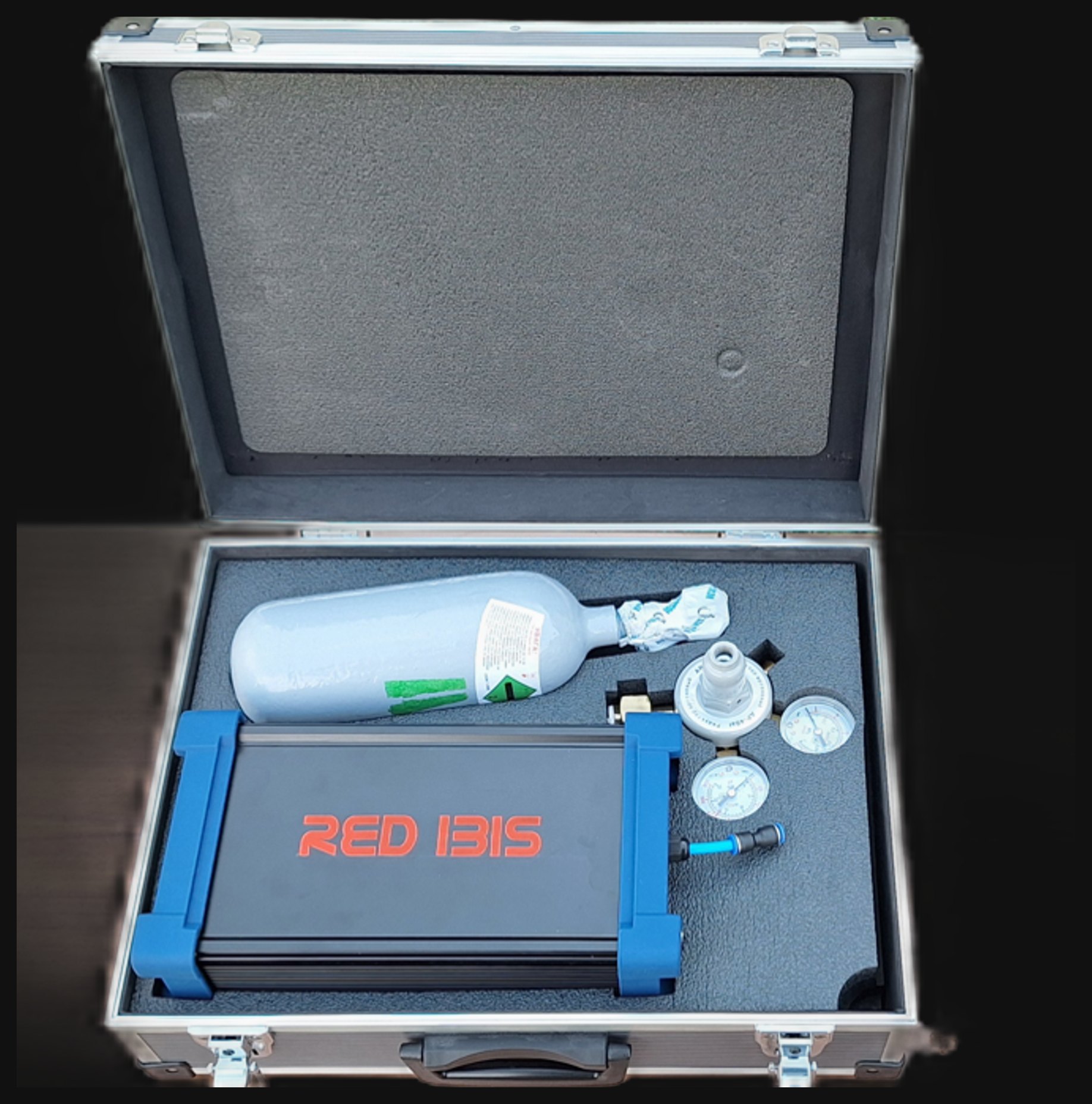
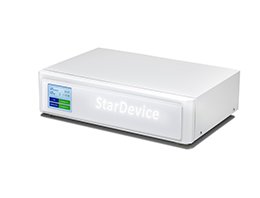
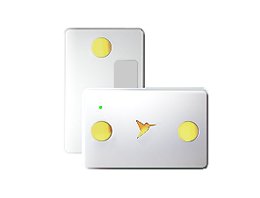
The generator, cylinder, and regulator travel in one case, ready for outpatient or ward use.
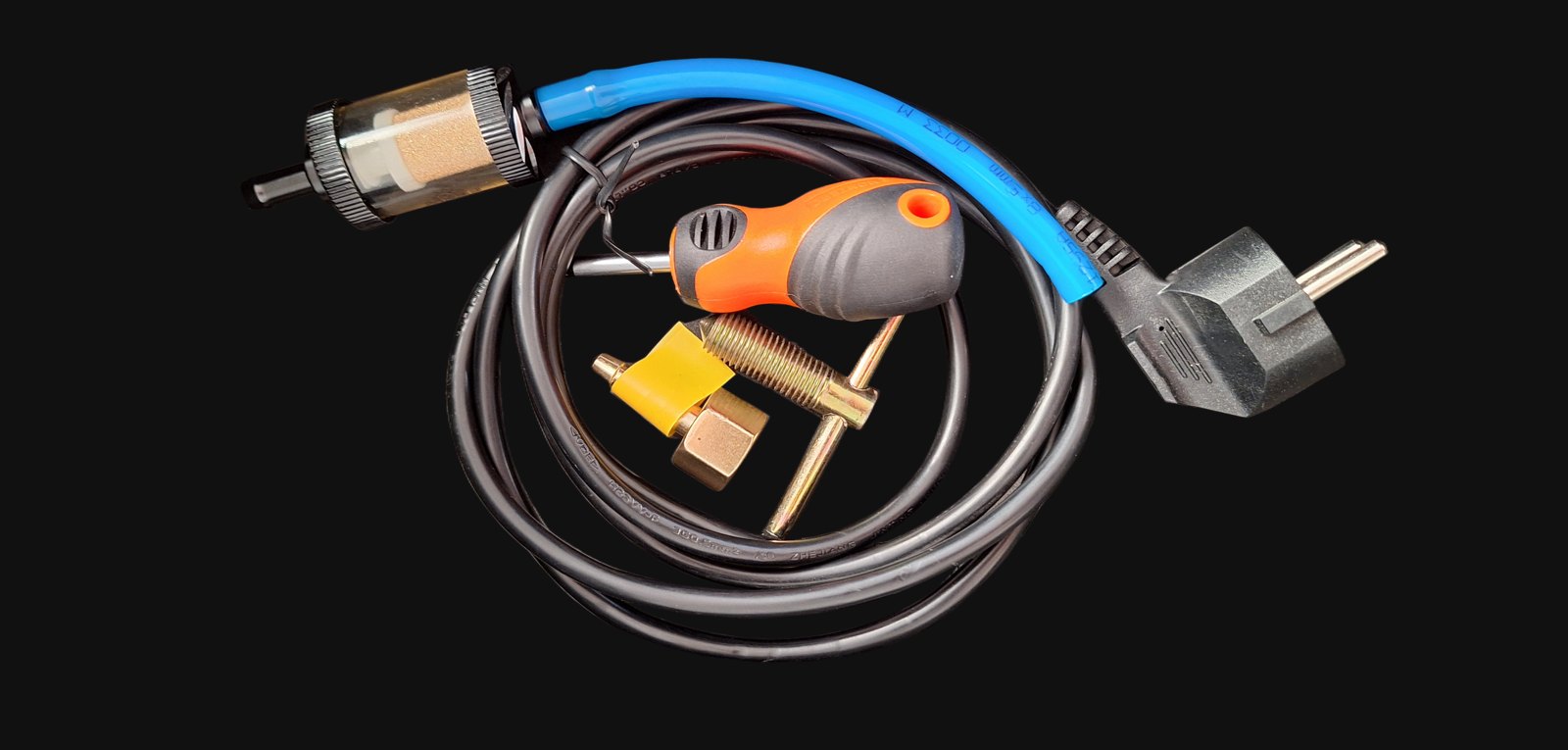
Power cable, inline filter, tubing, and fittings connect the cylinder to the generator.
The device produces a cold plasma gas flow containing nitric oxide from atmospheric air.
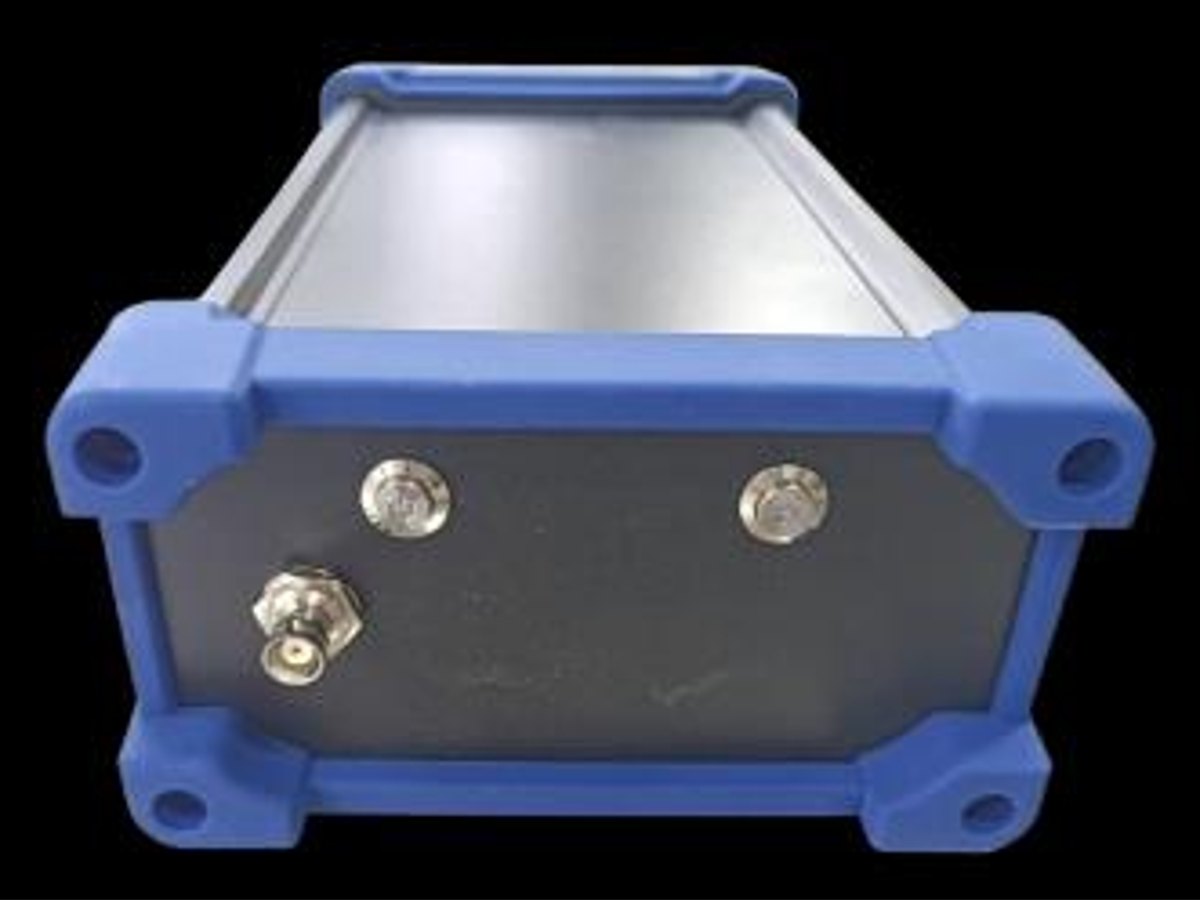
Keep the manipulator within 25 mm, at a right angle where possible, and pass smoothly along the area.
Surgery and wound care
Postoperative wounds, including prevention of suppuration and suture failure; extensive post-traumatic wounds; purulent wounds and abscesses; mastitis; trophic ulcers; diabetic foot; pressure sores; peritonitis; and erysipelas as indicated.
Burns and grafts
Uncomplicated and purulent burns; preparation for autodermoplasty and muscle or musculocutaneous plastics; helping reduce the risk of graft rejection.
Traumatology and field surgery
Osteomyelitic fistulas, wounds after sequestrectomy, open fractures; gunshot and blast injuries and related damage to internal organs in field surgery.
Otolaryngology
Scars and stenoses of the larynx and trachea, sinusitis including polypous forms, pharyngitis, tonsillitis, rhinitis, otitis, and selected nasal procedures.
Dentistry
Periodontitis, gingivitis, aphthous and herpetic stomatitis, and ulcerative stomatitis after prosthetics.
Gynecology
Cervical ectopia, condylomas, postoperative wounds, purulent-inflammatory disease of the uterus and adnexa, and selected reconstructive indications.
Dermatology and mucosa
Ulcers on a background of vasculitis, dermatitis, eczema, palmoplantar psoriasis, scleroderma, and lichen — as part of a supervised plan. Also selected gastroenterological and ophthalmological surface indications.
Oncology support
Radiation ulcers and fibrosis, wounds that are slow to heal during radio- or chemotherapy, and, where the treating team indicates it, coagulation of a wound surface for haemostasis.
The thermal potential is lower than that of a coagulator or destructor. The process forms a thin elastic film — no more than 200 microns — instead of a full zone of thermal damage. Surface temperatures in the treated layers are in the order of 55–100 °C.
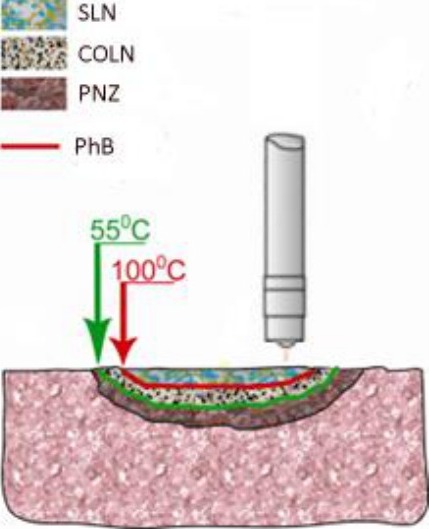
NO in the stream is the main characteristic of Red Ibis cold plasma. It is used as a local mediator across the phases of the inflammatory-regenerative process and can diffuse through intact skin and mucosa.
Technical simplicity and small size make NO-therapy practical from a city clinic to a large medical centre. One instrument can be used in several wards.
Red Ibis is not used in the following situations:
User manuals, training, and technical documentation are available on request through the form below.