


FAQ
What does non-invasive diagnostics need?
Non-invasive diagnostics is safe for both patient and clinician. Because no blood is drawn, there is no risk of accidental infection through contact with body fluids. Non-invasive screening can assess key homeostasis indicators: CBC and biochemical parameters, electrolytes, glucose, cholesterol, hemodynamics and cardiomechanics (ECG), blood pressure, blood flow to internal organs, and blood oxygen saturation — more than 100 health parameters in total. After the exam, patient data is stored in the system and can be uploaded to a clinic or hospital CRM for review by other specialists, when needed and with the patient's consent.
What is the basis of non-invasive diagnostics technology?
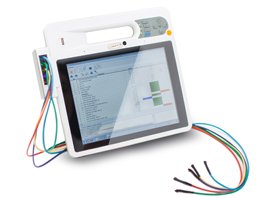
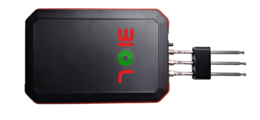
The technology measures how the body adjusts autonomic nervous activity in response to controlled environmental stimuli, and how that activity relates to metabolic processes. Body temperature — which shifts under both external and internal influences — is one key indicator. Temperature at five designated points, together with heart rate, respiratory rate, and individual physiological data (weight, age, gender), is analyzed by an artificial neural network over 6–12 minutes. The full algorithm runs in USPIH(R) software. High-precision digital sensors capture temperature readings. The neural network derives up to 135 medical indicators, presented in the resulting report using international units (SI or SGS).
Whom and when may non-invasive diagnostics be appointed?
Non-invasive screening is well suited for primary patient exams, routine clinical check-ups, ongoing monitoring of chronic conditions, and periodic occupational health screenings at workplaces.
What are the restrictions for patients?
The patient must be over 18 years old. DeepScan must not be used in pediatrics, in critical or emergency conditions, in intensive care units, or for patients after chemotherapy or radiotherapy, after blood transfusion, or for patients with type I diabetes or acute renal disease.
Is it required any special training of staff for a proper carrying out of testing?
Yes. We recommend the following: (1) measurements may be performed by nurses or paramedics who have completed a training course; (2) interpretation of results should be done only by qualified physicians.